Watch alongside this guide
Entering Azhar: What You Should Know in Arabic | Azhar University Arabic Guide
- Subject
- Arabic preparation
- Level
- Foundations and further reading
- For
- Students preparing for Arabic-language Islamic study
Build Arabic you can use: follow a lesson, read an unfamiliar passage, ask a clear question, and write an answer. Finishing a textbook is a step toward that ability, not a substitute for it.
Begin with a usable language foundation
Before specialized study, begin with a general Arabic program such as Bayna Yadayk. Work on speaking, listening, reading, and writing together. A list of grammar books is not a replacement for learning to use the language. Choose your starting level with a teacher rather than treating the later books below as a beginner’s first course.
Three subjects to build together
Grammar — النحو: Learn how words function within sentences. Begin with a short introductory text and explanation, then consolidate the rules before moving to more demanding works. Do not rush straight from al-Ājurrūmiyyah to the Alfiyyah. Let your teacher help choose the next suitable book.
Word formation — الصرف: Learn the patterns of words, their changes, and the meanings those changes convey. Practice recognizing forms in your reading, rather than merely memorizing tables.
Rhetoric — البلاغة: Reach and begin the Alfiyyah before taking up rhetoric. Rhetoric builds on how words combine in sentences. Discuss your readiness with your teacher, and work through examples rather than stopping at definitions.
Study Shadhā al-ʿArf with أحمد شوقي — Ust. Ahmad Shawki: the completed course on Abu Ayoub Daud Burke’s channel.
Read Jawāhir al-Balāghah online in the Hindawi digital edition.
A study routine you can repeat
- Read before the lesson. Familiarity with the passage makes the explanation easier to absorb. Mark what you cannot understand.
- Study with a teacher. Ask about difficult points and have your understanding tested. Independent reading and guided study support one another.
- Review afterward. Return to the text, explain the main rules, and work through examples. Keep earlier books within reach as references.
- Apply what you learn. Look for grammatical structures and word patterns in the Qur’an and in your other Arabic reading. Check uncertain analyses with your teacher.
If a class pauses, keep reviewing and reading at a suitable level. Do not let an interrupted schedule turn into months without study.
Read for understanding, then return for detail
On a first pass, follow the main explanation. Save extensive footnotes and secondary discussions for questions that actually need them or for a later reading.
Mark unfamiliar vocabulary without stopping at every word. Return to important words afterward; distinguish nouns and verbs if that helps you notice patterns. The aim is steady comprehension, not perfect command of every detail before you move on.
Read beyond your language-course textbook. Suitable introductory works in fiqh, tafsīr, and other subjects give familiar Arabic rules new contexts. Choose material you can broadly follow and take difficult passages to a teacher.
Check your progress
- Can you explain a passage’s main meaning and identify its important grammatical relationships?
- Can you recognize familiar word forms and use new vocabulary?
- Can you follow a lesson, ask questions, and write a clear answer?
- Are you reviewing earlier material while continuing to read?
These are study goals, not official Al-Azhar admission requirements. Confirm current placement and administrative arrangements directly with the relevant office.
Books and editions
The book cards below organize the reading by subject. They are options to discuss with your teacher, not a requirement to finish every title. English titles are explanatory renderings, not claims that an English translation is available.
Optional video reference
Adapted from Preparing Your Arabic Before Al-Azhar, June 11, 2023. Jump to preparation and review (17:40), word formation, or vocabulary and reading habits.
Stage 1
Grammar — النحو
Begin simply, consolidate with intermediate study, and approach the Alfiyyah later. These are reading options, not a requirement to complete every commentary.
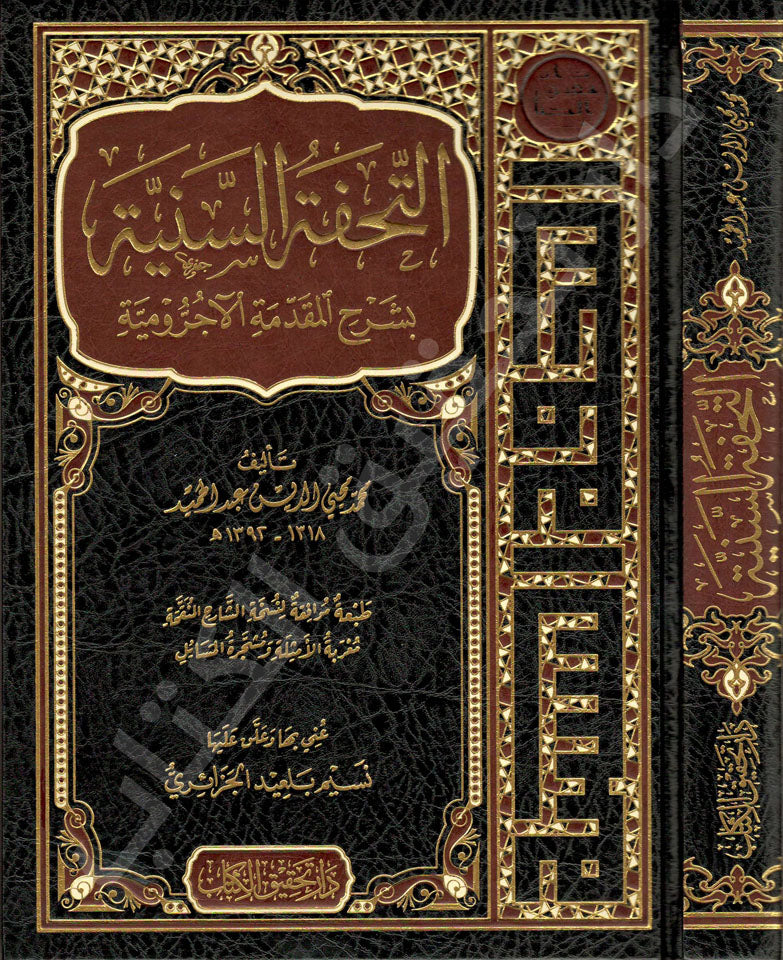
التحفة السنية بشرح المقدمة الآجرومية
Al-Tuḥfah al-Saniyyah bi-Sharḥ al-Muqaddimah al-Ājurrūmiyyah
The Splendid Gift: A Commentary on the Ājurrūmiyyah Introduction
Muḥammad Muḥyī al-Dīn ʿAbd al-Ḥamīd — محمد محيي الدين عبد الحميد رحمه الله تعالى
Begin with a concise grammar text and an accessible explanation. Revisit the text to retain its structure, and practice the examples with a teacher.
Edition / publisher: Selected edition: ضبط وتعليق نسيم بلعيد — text preparation and annotations by Nasīm Bilʿīd. Exact printing to confirm. · دار تحقيق الكتاب — Dār Taḥqīq al-Kitāb
Book details & related lessons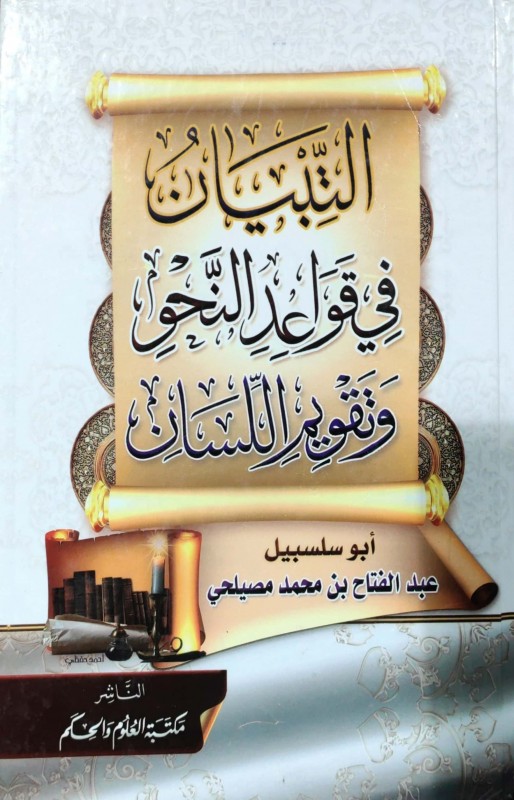
التبيان في قواعد النحو وتقويم اللسان
Al-Tibyān fī Qawāʿid al-Naḥw wa-Taqwīm al-Lisān
Clarification of Grammar Rules and the Correction of Speech
ʿAbd al-Fattāḥ Muṣayliḥī — عبد الفتاح مصيلحي حفظه الله
An intermediate option for practice and grammatical analysis. Work through exercises rather than relying only on definitions.
Edition / publisher: Candidate cover only: printing number and year not established. · Maktabat al-ʿIlm wa-l-Ḥikam — مكتبة العلم والحكم (cover imprint)
Book details & related lessons
Muḥammad Muḥyī al-Dīn ʿAbd al-Ḥamīd — محمد محيي الدين عبد الحميد رحمه الله تعالى
Consolidate the introductory rules through further reading. Read the main explanation first, then take difficult details to your teacher.
Edition / publisher: Candidate: 2021 listing, 192 pages; ISBN 9786144151822. Printing number unconfirmed. · Dār Ibn Kathīr — دار ابن كثير
Book details & related lessons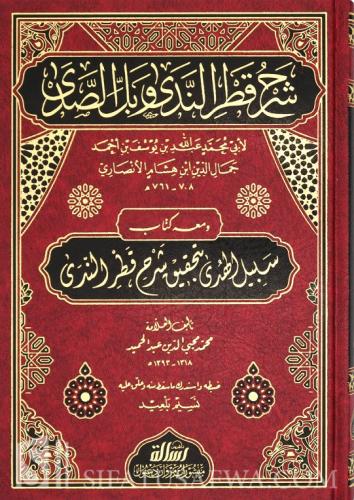
شرح قطر الندى وبل الصدى
Sharḥ Qaṭr al-Nadā wa-Ball al-Ṣadā
Commentary on Dewdrops and the Quenching of Thirst
Ibn Hishām al-Anṣārī — ابن هشام الأنصاري رحمه الله تعالى
Develop fuller grammatical understanding with a teacher. Ibn Hishām wrote both the underlying text and its commentary.
Edition / publisher: Selected edition: تحقيق نسيم بلعيد — edited by Nasīm Balʿīd. Printing number and year not yet confirmed. · مؤسسة الرسالة ناشرون — Muʾassasat al-Risālah Nāshirūn
Book details & related lessons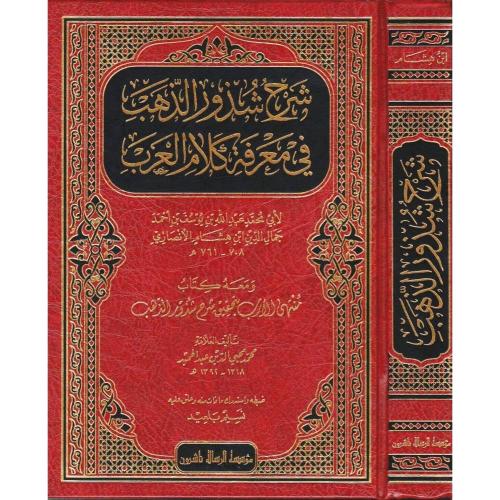
شرح شذور الذهب في معرفة كلام العرب
Sharḥ Shudhūr al-Dhahab fī Maʿrifat Kalām al-ʿArab
Commentary on Fragments of Gold in Understanding Arabic Speech
Ibn Hishām al-Anṣārī — ابن هشام الأنصاري رحمه الله تعالى
A further grammar reading option. Choose its place with your teacher rather than treating every grammar title as a compulsory step.
Edition / publisher: Selected edition: تحقيق نسيم بلعيد — editorial work by Nasīm Balʿīd (credited on the cover for ضبط، استدراك وتعليق). Printing number and year not yet confirmed. · مؤسسة الرسالة ناشرون — Muʾassasat al-Risālah Nāshirūn
Book details & related lessons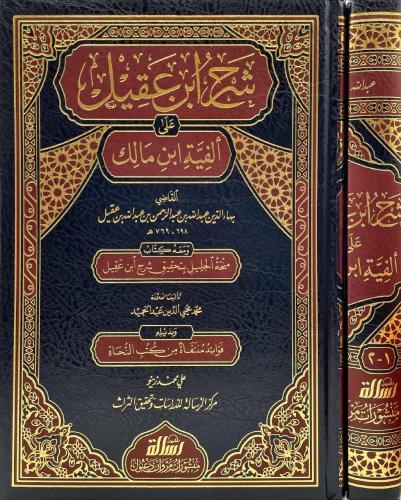
شرح ابن عقيل على ألفية ابن مالك
Sharḥ Ibn ʿAqīl ʿalā Alfiyyat Ibn Mālik
Ibn ʿAqīl’s Commentary on Ibn Mālik’s Thousand-Verse Poem
Commentary: Ibn ʿAqīl — ابن عقيل رحمه الله تعالى; poem: Ibn Mālik — ابن مالك رحمه الله تعالى
A later grammar text. Build an intermediate foundation before attempting its detail; do not rush directly from the introductory text.
Edition / publisher: Selected edition: تحقيق محمد محيي الدين عبد الحميد — edited by Muḥammad Muḥyī al-Dīn ʿAbd al-Ḥamīd رحمه الله تعالى. Exact printing to confirm. · مؤسسة الرسالة ناشرون — Muʾassasat al-Risālah Nāshirūn
Book details & related lessonsStage 2
Word formation — الصرف
Study word forms alongside grammar and recognize them in your reading.
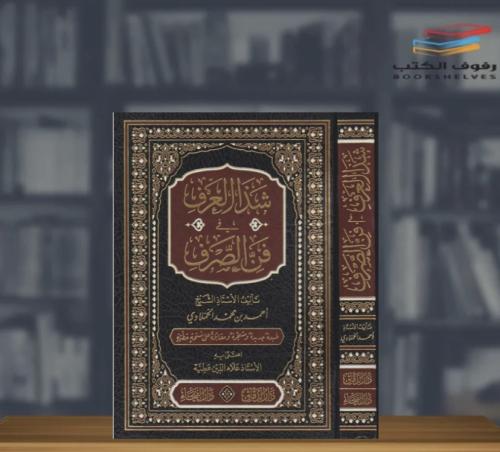
Read the 1927 edition (PDF at Wikimedia Commons; not the pictured edition) ↗
شذا العرف في فن الصرف
Shadhā al-ʿArf fī Fann al-Ṣarf
The Fragrance of Perfume in the Art of Word Formation
Aḥmad al-Ḥamlāwī — أحمد الحملاوي رحمه الله تعالى
Consolidate word patterns through repeated reading and practice. Ask for help with difficult passages, and recognize the forms in your regular reading.
Edition / publisher: An excellent alternative: تحقيق علاء الدين عطية — edited by ʿAlāʾ al-Dīn ʿAṭiyyah. Exact printing to confirm. · دار الفيحاء ودار الدقاق — Dār al-Fayḥāʾ and Dār al-Daqqāq
Book details & related lessonsStage 3
Rhetoric — البلاغة
Reach and begin the Alfiyyah before rhetoric. Discuss readiness with your teacher.
جواهر البلاغة في المعاني والبيان والبديع
Jawāhir al-Balāghah fī al-Maʿānī wa-l-Bayān wa-l-Badīʿ
Jewels of Rhetoric: Meaning, Expression, and Embellishment
Aḥmad al-Hāshimī — أحمد الهاشمي رحمه الله تعالى
Work through the examples in meaning, figurative expression, and embellishment. Understanding a definition is only the beginning; explain how it applies.
Edition / publisher: A good print option. Exact printing and editorial credits to confirm; the supplied Hindawi link is a separate digital edition. · دار المعرفة — Dār al-Maʿrifah
Book details & related lessons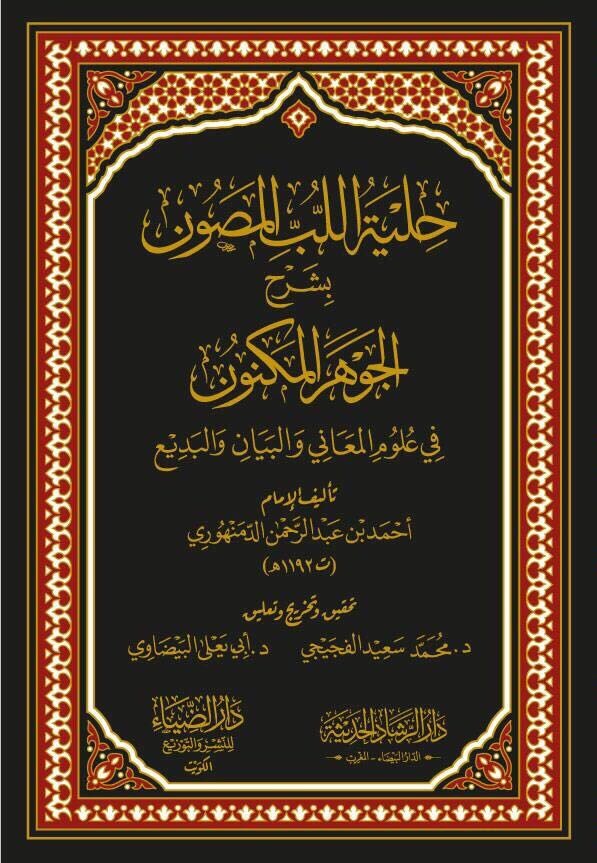
حلية اللب المصون على الجوهر المكنون
Ḥilyat al-Lubb al-Maṣūn ʿalā al-Jawhar al-Maknūn
Adornment of the Guarded Mind: Commentary on The Hidden Jewel
Aḥmad al-Damanhūrī — أحمد الدمنهوري رحمه الله تعالى
A concise commentary for further rhetoric study. Concision can make explanations harder, so check that the level and teaching support suit you.
Edition / publisher: A good option, not established as the best: first edition, 1439/2018, 624 pages, according to the publisher. · دار الضياء — Dār al-Ḍiyāʾ
Book details & related lessons